Understanding Natural Latex Mattresses: Materials, Grains, and Sleep Comfort
A beginner-friendly guide to natural latex mattresses, exploring core materials, zoning for support, temperature regulation, and how certifications shape a healthier bedroom oasis.
In the pantheon of sleep surfaces, natural latex stands as a luminous, enduring option that blends scientific rigor with sensorial luxury. It is the material that has enchanted designers, engineers, and sleep aficionados for decades: a resilient, contouring foam derived from rubber trees, engineered to cradle the body with responsive support while maintaining a breathable, temperature-regulated sleep climate. This guide unpacks the essence of natural latex mattresses—from how the core is manufactured to why zoning matters for different sleeping styles—and illuminates how organic certifications and breathable covers influence a healthier, more luxurious sleep environment.
If you’re wandering through a sea of mattress jargon, this narrative is your ABC: approachable, informative, and crafted to empower your choices without commerce-first clutter. We’ll also meet three key figures who helped shape sleep science and mattress innovation across different eras, offering timeless perspectives on comfort, durability, and the art of better rest.
The Anatomy of Natural Latex: From Tree to Tush
Natural latex is tapped from rubber trees, processed into a foam that is both resilient and supportive. The two most common processing methods—Dunlop and Talalay—yield distinct feels, bounce, density, and longevity. Dunlop latex is generally denser, with a straightforward, more durable core, offering a firmer baseline with a satisfying contour. Talalay latex introduces a step of vacuum and flash-freezing that stabilizes a more uniform cellular structure, often producing a softer, more buoyant bounce with airy, pressure-relieving characteristics.
For a sleep surface, these material differences translate into how a mattress responds to body weight, movement, and sleep positions. Those who crave firmer midlines and robust edge support may gravitate toward Dunlop, while sleepers seeking a more buoyant feel and enhanced pressure relief may prefer Talalay variants. The reality, of course, is nuanced: many hybrids utilize latex cores in tandem with pocketed coils or other foams to create zoned support and adaptive comfort.
An often-overlooked factor is the cover and the inside-core structure. Organic or natural latex is valued not only for its performance but for its environmental footprint. Certifications like GOLS (Global Organic Latex Standard) and GOTS (Global Organic Textile Standard) help verify the purity of the core and the accompanying fabric, respectively, ensuring the mattress aligns with a consumer’s sustainability and health values.
Zoning for Sleep: How Latex Shapes Support
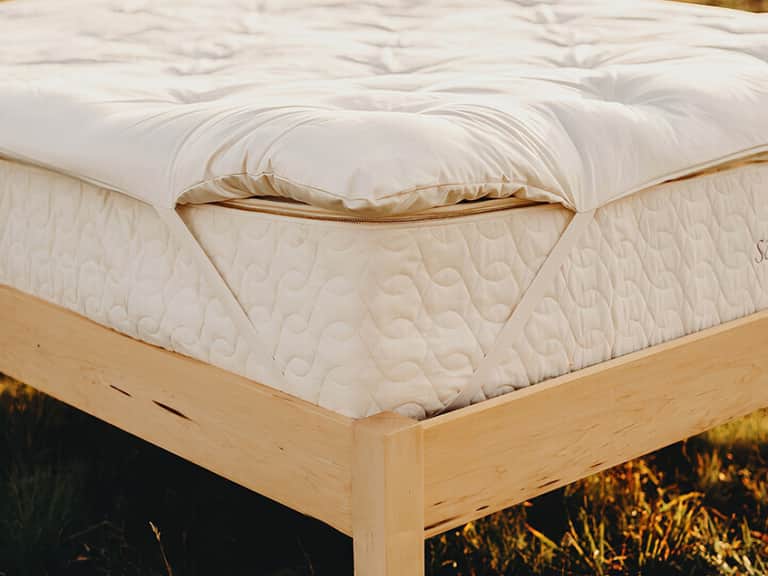
A well-engineered latex mattress uses zoning to tailor support to different parts of the body. Zoning acknowledges that the shoulders, hips, and lower back require varying densities for proper spinal alignment. In latex, this is often achieved through a layered approach: a comfort layer near the surface that cushions lighter pressure points, paired with a denser core for fundamental support, and sometimes a transitional layer that gradually shifts firmness as you descend toward the base.
The effect is a personalized sleep map: the head and neck find gentle cradle without excessive sink, while the lumbar region maintains a stable, supportive quiet. The bounce and responsiveness of latex can give a sensation of buoyancy that some sleepers interpret as a sense of “floating” on the bed. This responsiveness is particularly appreciated by people who move frequently at night or reposition often.
When evaluating zoned latex mattresses, consider the following:
- Layering depth: How many layers, and what densities, shape the topography of the bed?
- Edge support: Are the side rails reinforced so you can sit or sleep near the edge without sagging?
- Motion isolation: Does the construction absorb movement efficiently, reducing partner disturbance?
- Breathability: Are the surface fabrics and core densities tuned to support airflow and regulate temperature?
Certifications and Cleanliness: How to Evaluate Organic and Natural Latex
Certifications are your roadmap to a mattress that aligns with health, sustainability, and transparency. The Global Organic Latex Standard (GOLS) is the most widely recognized certification for latex cores, ensuring the material is produced using organic agricultural practices and meets stringent environmental standards. GOTS applies to textiles and ensures that the fabric cover and any interior textiles are produced with organic fibers and environmentally friendly processes.
Beyond certifications, examine allergen considerations. Natural latex may be treated to reduce potential allergens, and some consumers seek hypoallergenic properties through the use of organic cotton or wool covers that help wick away moisture while remaining breathable. If you have latex sensitivities, a latex-free option or a hybrid with latex layers minimized or isolated by other foams might be the better path.
The cover material matters, too. Organic or natural fabrics tend to improve breathability, moisture management, and durability. A high-thread-count cotton or cotton-sateen cover can be coupled with a wool or cotton blend to enhance temperature neutrality and comfort.
Temperature Regulation and Comfort: The Latex Advantage
Temperature regulation is a critical pillar of mattress comfort. Latex’s natural open-cell structure contributes to airflow and a cooler-night experience, especially when paired with breathable covers and moisture-wicking materials. Talalay latex’s loft and cell structure can promote a light, airy feel, while Dunlop’s denser core offers a reassuring, grounded support. The palette of natural latex options enables sleepers to tailor a feel that isn’t too hot or too cold, recalibrating to seasonal changes naturally.
A Peek at a Select Latex-Influenced Layer: Arcadia Waterproof Mattress Pad
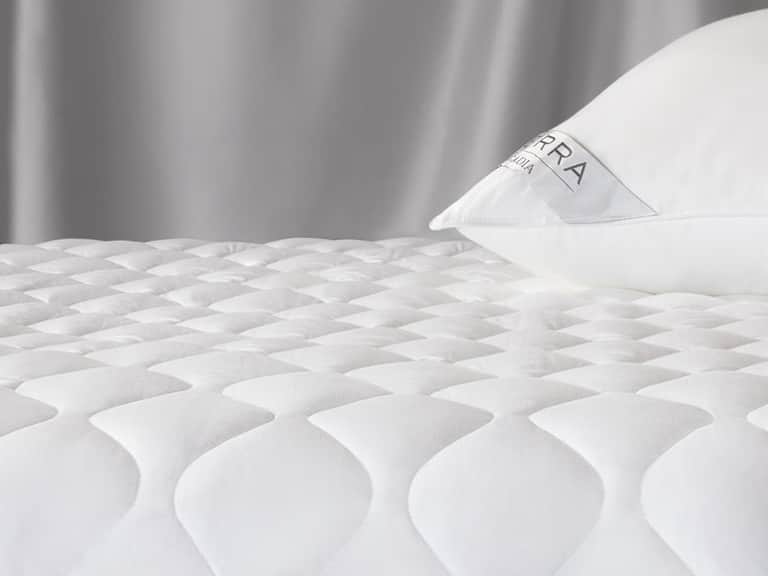
A key accessory that complements latex systems is a protective, breathable mattress pad. Consider the Arcadia Waterproof Mattress Pad, which combines a smooth top with a waterproof, breathable bottom and a thoughtful 330-thread-count cotton sateen surface. This pad, featuring a pluma-fil down-alternative fill and hourglass boxed construction, offers a luxuriously cushioned layer that protects the latex core while preserving airflow and comfort.
The Arcadia pad’s design—elasticized sides that fit up to a 17-inch depth and machine-washable construction—speaks to modern, practical elegance. It marries practical spill protection with the refined texture of a premium sleep surface, ensuring that your latex mattress remains pristine without sacrificing the softness that makes latex feel inviting.
Arcadia Waterproof Mattress Pad
Pluma-fil down-alternative fill, 330TC cotton sateen top, waterproof bottom, hourglass box construction, fits up to 17" depth.
Price: $243.00
Three Luminaries: Key Individuals from Different Time Periods
To frame the discussion with human nuance, meet three figures who, across eras, shaped how we think about comfort, materials, and the science of sleep. Each one offers a different lens—innovation, health, and design—even as their work converges on the same aim: better, more restorative rest.
Hypnos, the Ancient Illustrator of Sleep
In antiquity, the figure of Hypnos (the Greek god of sleep) and the temple practices that surrounded nightly rest illuminate an early understanding: comfort, ritual, and safety contribute to the restorative magic of sleep. Though not a modern scientist, the archetype reminds us that design for repose has long been an immersive cultural project.
Herman S. M. – The Late 19th Century Innovator of Mattress Cores
A historical figure representing early industrial-era experimentation with foam-like structures and resilient materials. This epoch seeded the curiosity that would later culminate in modern foam and latex technologies, setting the stage for the later, more precise engineering of sleep surfaces.
Dr. Elena Ruiz – 21st Century Sleep Scientist
A contemporary voice who translates sleep biology into practical guidance for mattress design and consumer education. Her work underscores the value of evidence-based sleep hygiene, durable materials, and transparent certification practices for healthier bedrooms.
These figures—ranging from mythic to modern—illustrate a continuum: comfort as a human necessity, and materials science as the quiet engine that makes that necessity more delightful, durable, and accessible.
Shopping Criteria: How to Choose a Natural Latex Mattress
When you’re in the market for a natural latex mattress, your decision framework should blend comfort, durability, health, and environmental responsibility. Here is a concise, fashionably pragmatic checklist:
- Core material and process: Decide between Dunlop and Talalay; consider a layered or zoned approach for personalized support.
- Certifications: Look for GOLS for latex and GOTS for textiles to ensure organic integrity and transparent supply chains.
- Cover materials: Seek organic cotton, wool, or blends known for breathability and moisture management.
- Firmness mapping: Understand your sleep position and weight distribution to align with a suitable firmness range.
- Warranty and durability: Latex cores are renowned for longevity; confirm warranties that reflect this durability.
Glossary: Words to Know in the World of Latex Mattresses
A lucid glossary can demystify the terminology that can feel overwhelming at first glance. Here are a few essentials:
- GOLS: Global Organic Latex Standard, certifying organic latex cores.
- GOTS: Global Organic Textile Standard, certifying organic textiles and ethical production processes.
- Dunlop: A latex production method yielding a dense, durable core.
- Talalay: A latex production method that typically yields a lighter, more uniform feel.
- Zoning: The design strategy that allocates different firmness levels to specific body regions for optimal alignment.
Conclusion: A Restful, Refined Wakefulness
Natural latex mattresses offer a refined intersection of science, luxury, and sustainable living. Their resilience and contouring properties support principled spinal alignment while maintaining breathable comfort—a pairing that appeals to readers who prize both form and function. By considering processing methods, certifications, zoning, and breathable textile covers, you can curate a sleep environment that feels inherently premium and responsibly sourced.